
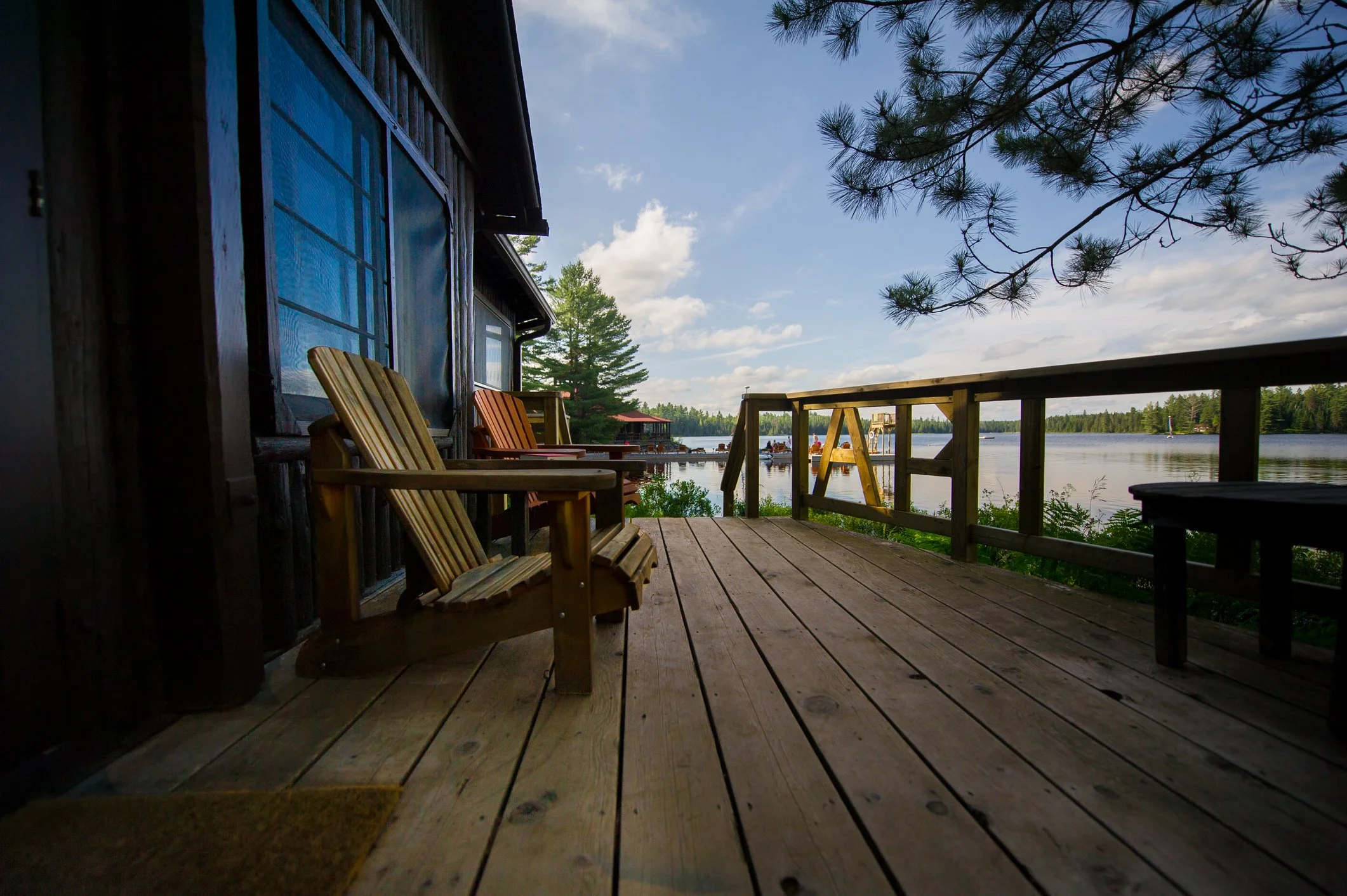
Owning a lake house in Michigan can be both a personal retreat and a valuable source of rental income. From summer weekends on Torch Lake and Hamlin Lake to family vacations along the shores of Lake Michigan or a quiet retreat on one of Michigan's more than 11,000 inland lakes, owning a lake house is part of the lifestyle that makes living here so special.
Short-term rentals give property owners an opportunity to make use of a home that might otherwise sit empty for part of the year. However, renting out a lake house also changes the property’s risk profile. A home that’s used only by family and friends is not insured the same way as a property regularly occupied by paying guests. Owners who assume their standard homeowners policy will continue to provide full protection may discover significant coverage gaps after a loss.
Before listing your property for rent, please review these common insurance mistakes Michigan lake house owners make.
Mistake 1: Assuming Homeowners Insurance Covers Short-Term Rentals
A standard homeowners policy is designed primarily for a residence used by the owner, not for an ongoing rental business. Some policies may allow occasional rentals, but the definition of “occasional” varies by carrier. Regularly renting the property through Airbnb, Vrbo, or another platform may be considered a business activity. If you do not inform the insurer that your home is being rented, they may very well limit or deny a claim involving a guest, property damage, or lost rental income.
Depending on how frequently you rent the home, you may need a short-term rental endorsement, landlord policy, vacation rental policy, or another form of specialized coverage. The right option for you will depend on how the property is used, how often you rent it, and whether you also occupy it personally.
Mistake 2: Relying on the Rental Platform’s Protection
Short-term rental platforms may offer certain host protections, but you should not treat those programs as a replacement for insurance. Platform protection can include limitations, exclusions, documentation requirements, and claim conditions. The rental platform is primarily interested in protecting itself. It may not cover every type of damage, liability claim, personal belonging, detached structure, or interruption in rental income, and you likely will not discover what it won’t cover until it’s too late.
A platform’s coverage can be useful as an additional layer of protection, but your primary insurance policy should be structured to address the actual risks associated with the property.
Mistake 3: Underestimating Guest Liability
A lake house creates liability exposures that may not exist at a typical residential rental. Guests may use stairs, decks, fire pits, docks, kayaks, paddleboards, or other recreational equipment. Wet surfaces and unfamiliar surroundings can also increase the likelihood of falls and injuries.
If a guest is injured, the property owner may face medical expenses, legal costs, and a liability claim. Owners should confirm that their policy allows short-term rental activity and provides enough liability protection for the property’s features and guest capacity. Higher liability limits or an umbrella policy may be appropriate, especially for owners with significant personal assets to protect.
Mistake 4: Forgetting About the Dock, Watercraft, and Recreational Equipment
Docks, boat lifts, seawalls, detached garages, and storage buildings may not be covered in the same way as the main house. Coverage can depend on how the structure is classified, where it is located, and what caused the damage.
Boats and other watercraft also require special attention. Homeowners insurance typically provides only limited coverage for certain small watercraft. Larger boats, personal watercraft, and higher-value vessels generally require dedicated marine insurance.
Owners should also think carefully before allowing guests to use boats, jet skis, kayaks, paddleboards, or other equipment. The property policy may not cover every injury or accident involving these items, especially when they are provided as part of a rental.
Mistake 5: Assuming All Water Damage Is Covered
Waterfront properties naturally face greater water-related exposure, but not all water damage is treated the same way by insurance. A standard property policy may cover certain sudden and accidental losses, such as damage from a burst pipe. However, it generally does not cover flooding caused by rising water, storm surge, overflowing lakes, or surface water.
Sewer and drain backups may also require a separate endorsement. Gradual seepage, erosion, neglected maintenance, and long-term deterioration are commonly excluded. Lake house owners should discuss flood coverage, water backup protection, and the property’s proximity to the shoreline with their insurance agent.
Mistake 6: Ignoring Replacement Cost and Property Values
A lake house may have unique construction materials, custom finishes, waterfront features, or limited contractor access. These factors can make repairs or rebuilding more expensive than expected.
Owners should confirm whether the property is insured for Replacement Cost Value or Actual Cash Value. Replacement Cost Value is designed to pay the cost of repairing or replacing covered property with materials of similar kind and quality, subject to policy terms and limits. Actual Cash Value accounts for depreciation, which can result in a lower claim payment.
You should regularly review your coverage limits as construction costs, property improvements, and furnishing values change over time. Construction costs are currently very high, and they have been higher generally since the pandemic.
Mistake 7: Overlooking Lost Rental Income
Property damage can create more than a repair bill. If a covered loss makes the lake house uninhabitable during peak rental season, the owner may also lose weeks or months of rental revenue.
Lost rental income is not automatically covered by every property policy. Owners should verify whether their coverage includes loss of rents or business income and understand what must happen before that coverage applies. Typically, the interruption must result from covered physical damage. A cancellation caused by poor weather, lower demand, or an uncovered event generally will not trigger coverage.
Mistake 8: Failing to Tell the Insurer How the Property Is Really Used
Insurance applications and renewals should accurately reflect the property’s use. When you apply you should inform your insurer:
How often the lake house is rented
Whether your rentals will be short-term, seasonal, or long-term
Whether the owner also occupies the home
How many guests are permitted
Whether boats or recreational equipment are provided
Whether a property manager or cleaning service is involved
Whether the property is vacant for extended periods
Leaving out important information may lead to an incorrectly written policy and serious problems during a claim.
Mistake 9: Skipping Guest Safety and Property Maintenance
Insurance is only one part of protecting a rental property. Owners should also take reasonable steps to reduce the chance of injuries and damage. Before welcoming guests, inspect railings, stairs, decks, docks, electrical systems, smoke detectors, carbon monoxide detectors, and exterior lighting. Clearly mark shallow water, steep grades, and other hazards. Provide instructions for fireplaces, grills, boats, and recreational equipment.
Regularly inspecting your property and keeping detailed maintenance records can help prevent losses and demonstrate to an insurer that you responsibly managed your property if you have to someday make a claim. It’s a good practice to get into.
Protect the Property and the Income It Produces
Renting out a Michigan lake house can be rewarding, but you should approach it as both a property decision and a business decision. The insurance that worked for you when the home was used only by family may not be sufficient once paying guests begin staying there.
The right coverage should account for the building, its contents, guest liability, waterfront features, rental income, and the way the property is actually used.
Review Your Lake House Insurance Before the Next Guest Arrives
Before listing your property this season, contact Navisure Insurance Group for a review of your current coverage. Our team can help identify potential gaps, compare available options, and make sure your insurance reflects the realities of renting out a Michigan lake house.
Protect the retreat you have built, the guests who enjoy it, and the income it provides with the proper insurance coverage.

TROY VANDERMEER | VICE PRESIDENT
Troy attended Aquinas College in Grand Rapids, MI, and obtained a degree in Business and Technology. After graduating, he began his career as an insurance adjuster for a large-scale carrier. This included almost 10 years of experience, with roles such as property catastrophe, marine, and recreational vehicle claim handling. Troy learned the ins and outs of how insurance companies operate while also perfecting the technical aspects of the industry. This gives him an edge when working with clients regarding what coverage best fits their needs. As a proponent of leveraging technology, his goal is to simplify the process of getting insured without clients having to sacrifice their time.
In his spare time, Troy coaches high school soccer, enjoys golfing, fly fishing, and spending time with his family and friends.