
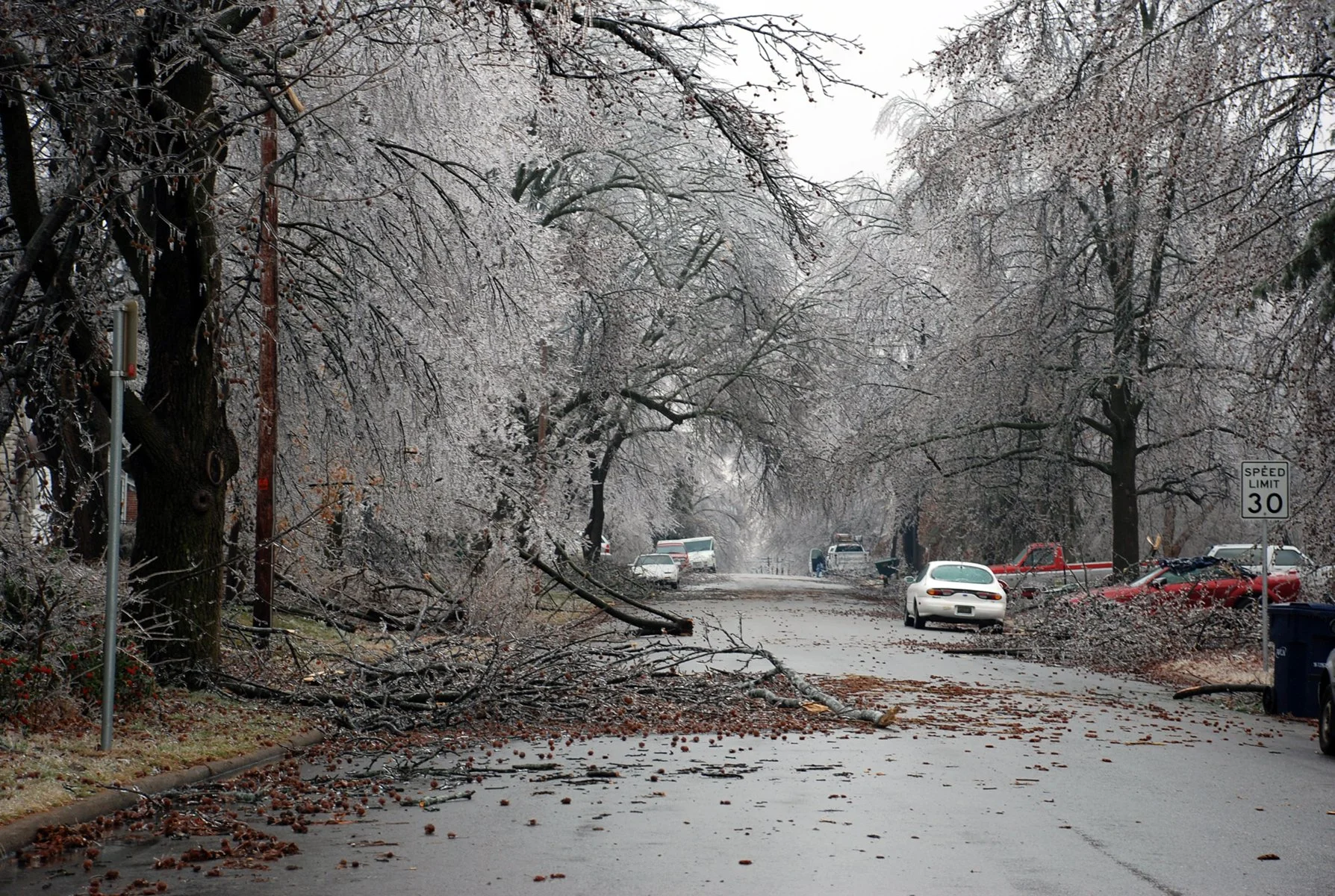
From powerful windstorms and tornadoes to flooding rains, hail, and extended power outages, Michigan has experienced its fair share of severe weather in recent years. If it feels like these events are becoming more frequent and more destructive, you're not alone.
While weather patterns naturally fluctuate, many meteorologists and climate experts agree that extreme weather events are becoming more common across much of the United States. For homeowners, business owners, and boat owners, that means preparing for severe weather isn't just about stocking flashlights and emergency supplies. It's also about making sure your insurance coverage is ready for what comes next.
Unfortunately, many people discover coverage gaps only after a loss occurs. Understanding your policies before severe weather strikes can help prevent costly surprises when you need protection most.
Common Misconceptions About Weather-Related Insurance Coverage
One of the biggest misconceptions about insurance is that all weather-related damage is automatically covered. The reality is more complicated.
For example:
Most homeowners policies cover damage from wind and hail.
Most homeowners policies do not cover flood damage caused by rising water.
Water backup from overloaded sewer systems often requires a separate endorsement.
Wear and tear or deferred maintenance issues are typically excluded.
Business interruption coverage may not apply unless specific conditions are met.
Understanding these distinctions before a claim occurs can save significant frustration later.
A Severe Weather Preparedness Checklist for Homeowners
Review Your Home's Coverage Limits
Construction costs have increased significantly over the past several years. If your policy hasn't been reviewed recently, your dwelling coverage may no longer reflect the true cost to rebuild your home.
It's also worth confirming whether your policy includes Replacement Cost Value (RCV) coverage rather than Actual Cash Value (ACV) coverage. While ACV accounts for depreciation, RCV helps cover the cost of replacing damaged property with materials of similar kind and quality.
Understand Your Flood Exposure
Many homeowners assume flood damage is covered under a standard homeowners policy. In most cases, it isn't. Flood insurance is typically purchased separately and may be worth discussing even if your property is not located in a designated flood zone.
Review Water Backup Coverage
Heavy rains can overwhelm municipal sewer systems and sump pumps. Water backup coverage can help protect against damage caused by water backing up into your home through drains or plumbing systems. Without this endorsement, many homeowners discover they have little or no coverage for these losses.
Create a Home Inventory
Documenting personal belongings with photos, videos, and receipts can make the claims process significantly easier if severe weather damages your property.
A Severe Weather Preparedness Checklist for Business Owners
Review Business Income Coverage
What would happen if your business had to close for several days or weeks after a severe storm? Business income insurance can help replace lost income and assist with ongoing expenses during a covered interruption. However, coverage triggers and exclusions vary by policy, making it important to understand exactly how your protection works.
Evaluate Equipment Breakdown Coverage
Storms often cause power surges and electrical issues that can damage critical equipment.
Equipment breakdown coverage may help cover repairs or replacement costs for damaged systems that are not always addressed under standard property policies.
Develop a Disaster Recovery Plan
Insurance is only one part of business preparedness. Businesses should also establish plans for:
Employee communication
Data backup and recovery
Temporary operating locations
Supplier and vendor disruptions
The faster a business can recover, the less severe the financial impact may be.
Protect Critical Data
Severe weather can cause outages and disruptions that leave businesses vulnerable. Make sure cybersecurity protocols, backup systems, and remote access procedures are up to date before an emergency occurs.
A Severe Weather Preparedness Checklist for Boat Owners
Michigan's boating season is one of the best parts of summer, but severe weather can create significant risks on the water and at the dock.
Review Your Vessel's Value
If you've added electronics, upgraded equipment, or made improvements to your boat, it's important to verify that your policy reflects those investments.
Understand Agreed Value vs. Actual Cash Value Coverage
One of the most important distinctions in marine insurance is whether your vessel is insured on an Agreed Value or Actual Cash Value basis. With an Agreed Value policy, the value of the vessel is established when the policy is written. In the event of a covered total loss, that agreed value forms the basis for settlement.
Actual Cash Value policies, by contrast, account for depreciation. Depending on the age and condition of the vessel, this can result in significantly lower claim payouts.
Review Storm and Storage Coverage
Whether your boat is in the water, stored at a marina, or kept on your property, it's important to understand how your policy responds to wind, hail, falling objects, and other severe weather events.
Verify Liability Limits
Storms can cause boats to break free from docks, strike neighboring vessels, or damage marina property. Reviewing your liability limits helps ensure you're adequately protected against these exposures.
The Best Time to Review Your Coverage Is Before the Storm
One of the most common themes insurance professionals encounter after major weather events is that many losses involve misunderstood coverage, not a complete lack of insurance.
Flood damage, water backup, depreciation, business interruptions, and equipment failures are all areas where assumptions can lead to unexpected financial consequences. The good news is that these issues can often be addressed before severe weather arrives.
Is Your Insurance Ready?
Severe weather may be becoming the new normal, but coverage surprises don't have to be.
Whether you're protecting a home, a business, a boat, or all three, now is an excellent time to review your policies and confirm that your coverage aligns with today's risks.
Contact Navisure Insurance Group today to schedule a coverage review. Our team can help identify potential gaps, explain your options, and make sure you're prepared before the next storm appears in the forecast.

COREY VANDERMEER | PRESIDENT
Corey started his insurance career in the claims department for a national carrier and learned the basics of insurance coverage and how it’s applied. From there he decided to take the jump into sales and joined an independent insurance agency. Here he learned how to build coverage around the needs of each individual and cater to every client. When Corey decided to start an insurance agency he did so with the intention of simplifying the process of getting insured. With a focus on technology and simplicity; his goal was to create an insurance agency that was different from those currently dominating the market place.
When he’s not working, Corey enjoys golfing, fly fishing and spending time with his wife and kids. Together they enjoy traveling to Northern Michigan and to his wife’s hometown of San Francisco.
Frequently Asked Questions About Severe Weather Coverage
Q: Does homeowners insurance cover flood damage?
Generally, no. Most homeowners insurance policies exclude damage caused by rising water or flooding. Separate flood insurance is typically required.
Q: What is water backup coverage?
Water backup coverage helps protect against damage caused by water backing up through drains, sewers, or sump pumps. It is often added as an endorsement.
Q: What is Business Income Insurance?
Business income insurance can help replace lost income and cover certain ongoing expenses when a business is temporarily unable to operate due to a covered loss.
Q: Is equipment damage from a power surge covered?
It depends on the policy. Equipment breakdown coverage may help cover certain electrical and mechanical failures resulting from power-related events.
Q: What is the difference between Agreed Value and Actual Cash Value boat coverage?
Agreed Value coverage establishes the vessel's value when the policy is written, while Actual Cash Value coverage accounts for depreciation when determining claim payments.
Q: How often should I review my insurance policies?
Most insurance professionals recommend reviewing coverage annually and anytime there is a significant change to your property, business operations, or assets.