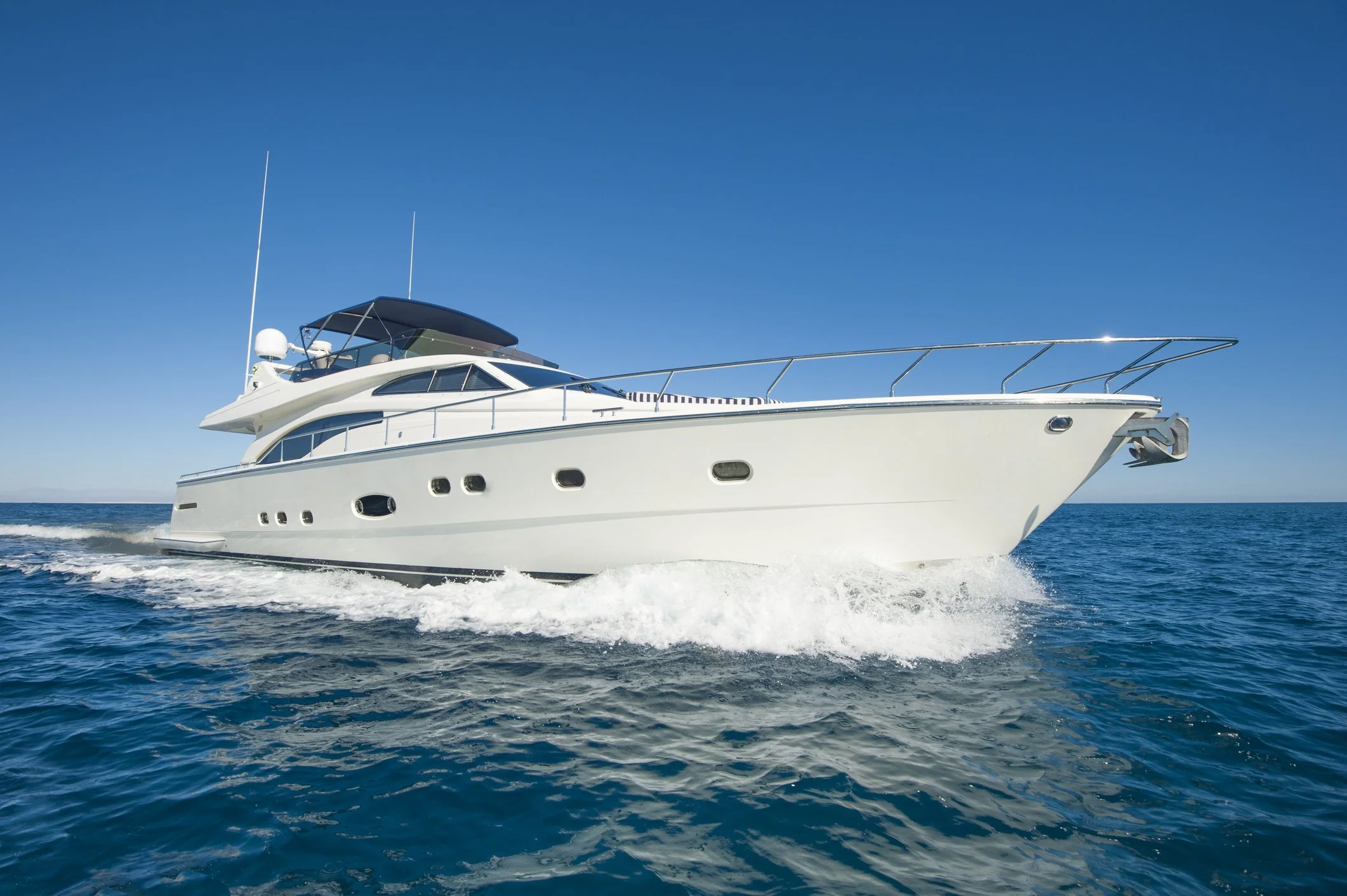
Spring in Michigan is the unofficial start of boating season. Many of us can’t wait to get back on the water; this is why we live here in the land of 11,000 lakes. If you’re buying a new wake boat or cruiser, you’re probably dreaming of lake days, glassy water, and good times. But before you hitch that brand-new vessel to your trailer or dock it for the summer, there’s one critical thing you must do: get the right insurance for your marine vehicle.
Insuring a high-powered wake boat or premium cruiser isn’t just about checking a box, it’s about understanding how your policy will perform for you in real life. With boats getting more powerful, more connected, and more expensive, it’s very important to ask the right questions before you set sail.
Before Insuring a New Wake Boat or Cruiser, Ask:
1. Is My Boat’s Full Value Covered in Case of a Total Loss?
Wake boats and cruisers are expensive, custom, and often loaded with aftermarket gear, which means the stakes are high if your boat is damaged or totaled. But not all policies pay out the same way. Ask your agent whether your policy is based on:
Agreed Value: You and the insurer agree in advance what the payout will be if your boat is declared a total loss.
Actual Cash Value: Your payout is based on the depreciated value of the boat at the time of loss.
If you’ve just bought a new boat or significantly upgraded your existing one, Agreed Value is usually the better choice. It ensures you’ll be able to replace your boat with something similar, rather than getting short-changed by depreciation.
2. What Off-Water Risks Are (and Aren’t) Covered?
Wake boats and cruisers spend a lot of time on trailers, in storage, or docked, not just on the water. Yet many boat owners assume their insurance covers them 24/7, when in reality, off-water incidents are among the most commonly denied claims.
Before you buy a policy, ask:
Am I covered for theft or vandalism while docked or stored?
Is my trailer covered during transport?
What if my boat is damaged by hail, fire, or rodents while stored for the season?
Are personal items, like surfboards, wakeboards, electronics, or gear, included?
3. Am I Working With Someone Who Knows What Really Happens in a Claim?
Most insurance agents can quote a boat policy. But not all can walk you through what really happens during a marine claim. Many insurance agents do not know what typically gets approved, what gets denied, and what often gets overlooked with marine insurance.
That’s why working with Troy at Navisure Insurance Group makes a difference. Troy brings years of experience as a marine claims adjuster to every client relationship. He’s handled:
Storm-damaged vessels
Submerged engines
Dockside accidents
Environmental liability disputes
Coverage denials from unexpected policy exclusions
He knows the difference between good coverage and good-enough coverage, and he uses that insight to help boaters avoid the most common and costly mistakes. Whether you’re a weekend wakeboarder or a serious cruiser enthusiast, Troy’s real-world experience translates to real protection.
Make Sure Your Policy Is As Ready as Your Boat
A wake boat or cruiser is a serious investment, and it deserves serious protection. The right marine policy ensures that your time on the water stays fun, and that you’re not left high and dry if something goes wrong. Before you launch this spring, take the time to review or build your policy the right way.
Get Your Free, No-Obligation Policy Review
Let us take a look at your current coverage or help you build a policy from scratch. Whether you’re insuring your first boat or upgrading to something bigger and better, the Navisure team is here to help.
Contact us today and feel confident knowing your boat is protected year-round, on and off the water.

TROY VANDERMEER | VICE PRESIDENT
Troy attended Aquinas College in Grand Rapids, MI, and obtained a degree in Business and Technology. After graduating, he began his career as an insurance adjuster for a large-scale carrier. This included almost 10 years of experience, with roles such as property catastrophe, marine, and recreational vehicle claim handling. Troy learned the ins and outs of how insurance companies operate while also perfecting the technical aspects of the industry. This gives him an edge when working with clients regarding what coverage best fits their needs. As a proponent of leveraging technology, his goal is to simplify the process of getting insured without clients having to sacrifice their time.
In his spare time, Troy coaches high school soccer, enjoys golfing, fly fishing, and spending time with his family and friends.
Frequently Asked Questions
Q: Do I need special insurance for a wake boat or cruiser compared to a smaller boat?
A: Yes. Wake boats and cruisers typically have more powerful engines, higher replacement costs, and additional equipment. This makes them higher-risk and more expensive to repair or replace. Standard boat policies may not provide adequate protection, especially for the value of aftermarket upgrades, towing equipment, or electronics. A tailored policy ensures your investment is fully protected.
Q: Should I choose Agreed Value or Actual Cash Value coverage for my new boat?
A: Agreed Value coverage is usually the better option for new or high-value boats like wake boats and cruisers. It guarantees a fixed payout in the event of a total loss, without depreciation. Actual Cash Value policies account for depreciation, which can significantly reduce your payout over time. Troy can help you determine which is most appropriate based on your vessel and usage.
Q: Is my boat covered while trailering or in storage?
A: Not always. Many policies limit coverage to when the boat is "in use" on the water. It's important to verify whether your boat is protected against theft, vandalism, storm damage, or accidents during transport. Off-water risks are one of the most common gaps in marine policies.
Q: What kinds of personal property or gear are included in boat insurance?
A: Policies vary, but many have strict limits on coverage for personal items like wakeboards, surf gear, GPS systems, or sound equipment. You may need to add personal effects coverage or schedule specific high-value items to ensure full protection.
Q: Can I insure aftermarket additions or custom upgrades to my boat?
A: Yes, but only if you disclose them. Aftermarket towers, sound systems, lighting, ballast upgrades, and other modifications should be listed in your policy to be covered. Troy’s experience as a marine claims adjuster gives him the insight to help boaters document these properly so they’re not left uncovered after a loss.
Q: How do I know if I’m getting enough coverage and not just the cheapest quote?
A: That’s where expertise matters. Many policies may look similar on paper, but an experienced marine insurance agent will help you understand what real-world protection looks like, so you’re not surprised when it comes time to file a claim.